By Bill Grear
January 26, 2026
The Complete Guide to Cabinet Painting in the West Des Moines, IA Area
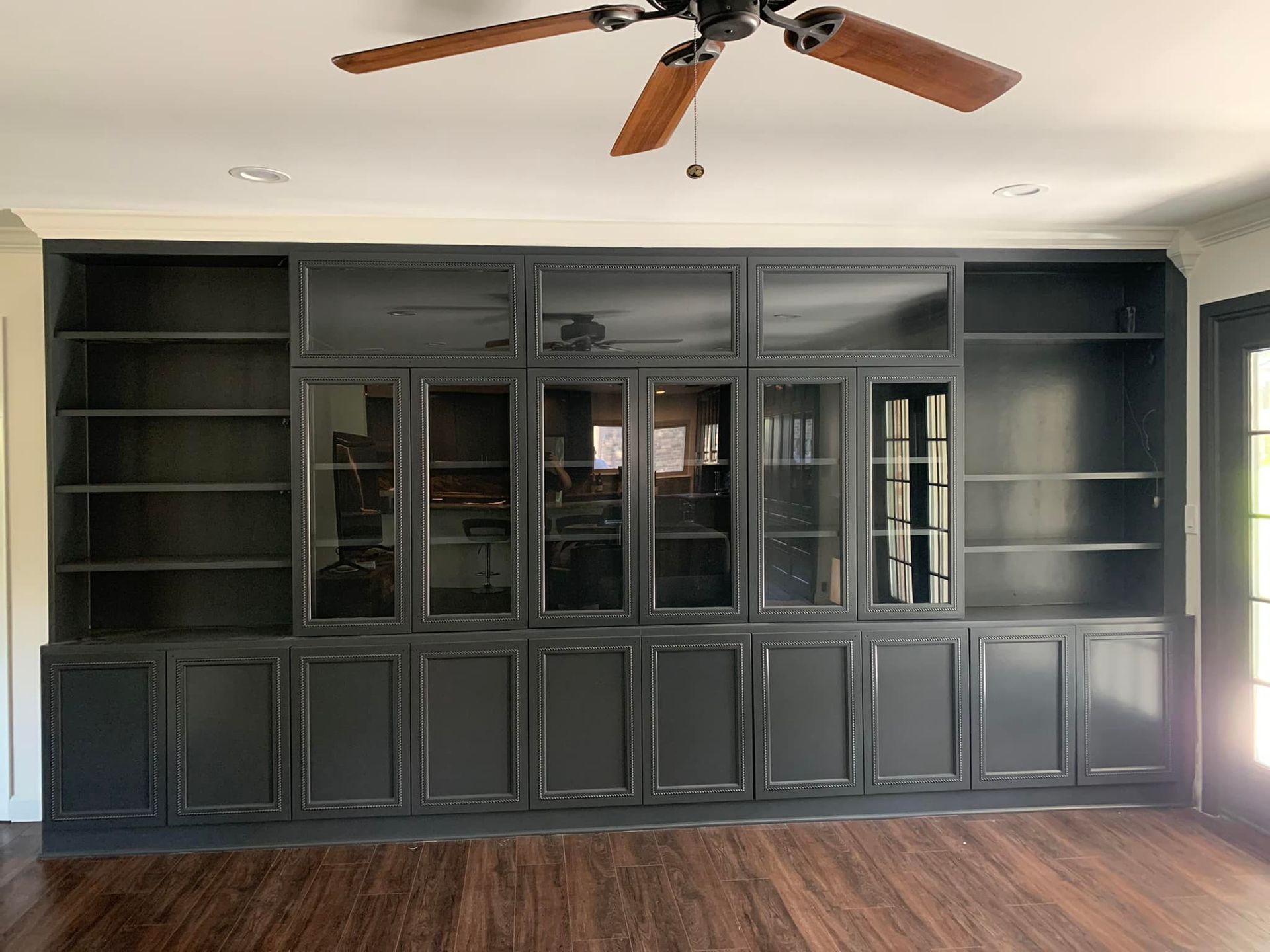
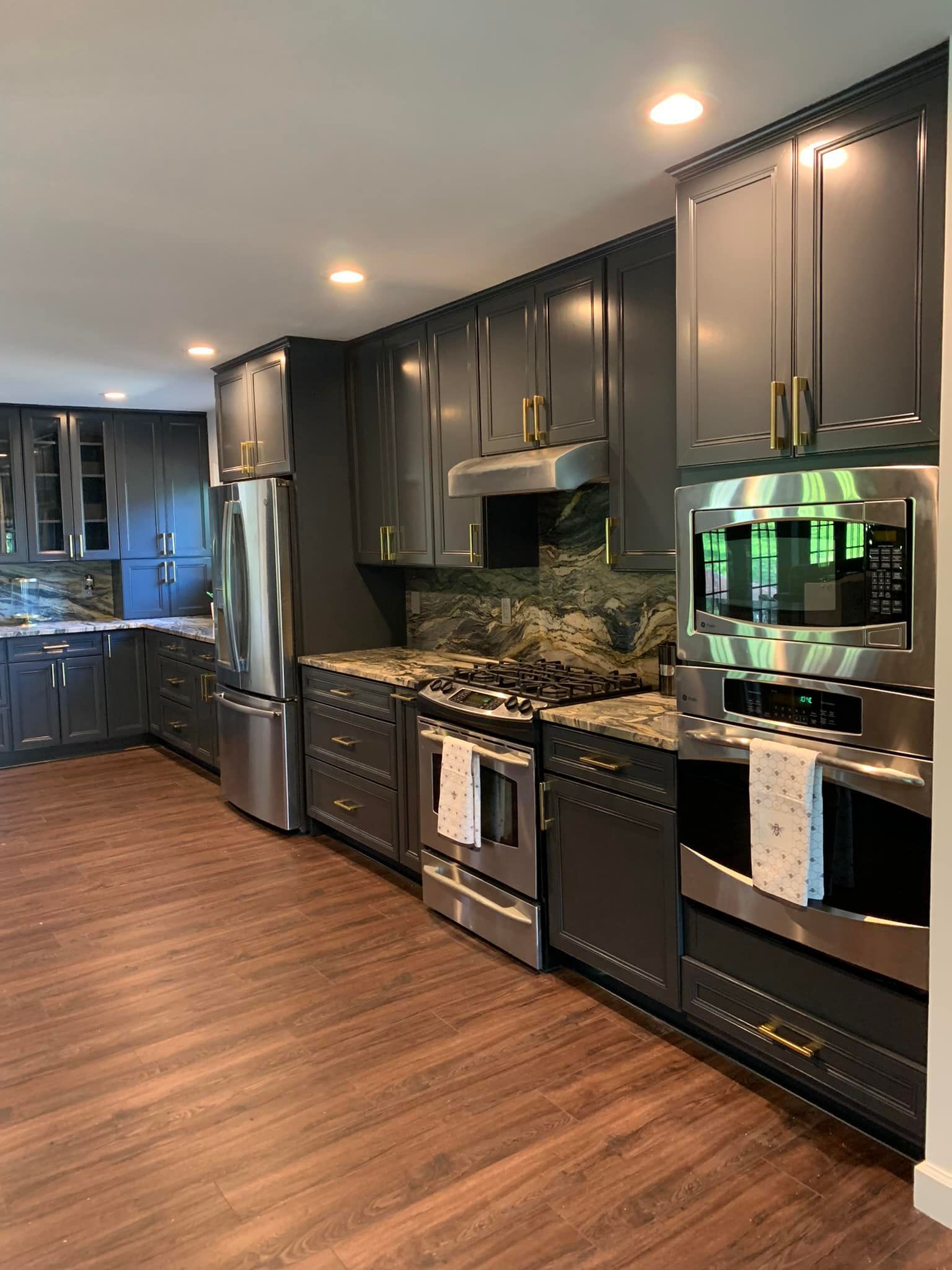
You’re standing in your kitchen, looking at cabinets that have seen better days. Maybe they’re outdated oak from the 90s, or builder-grade white that’s yellowed over time. You’ve been browsing kitchen remodels online, getting estimates from contractors, and the numbers are less than exciting: $35,000… $50,000… even $75,000 for a complete kitchen renovation.
There has to be a better way… right?
Professional cabinet painting offers a smarter alternative: one that can completely transform your kitchen’s appearance in less than a week, for a fraction of the cost. But here’s what most homeowners in the Des Moines, IA area don’t realize: not all cabinet painting delivers the same results. The difference between a beautiful, durable finish that lasts 10–15+ years and a disappointing finish that starts chipping within months comes down to understanding the process, choosing the right contractor, and knowing what questions to ask.
At Harmony Painting, we’ve painted and refinished cabinets for homeowners across Johnston, Grimes, Urbandale, West Des Moines, Waukee, and the surrounding Des Moines metro. In this complete guide, we’ll walk you through everything you need to know about cabinet painting; from deciding if it’s right for your kitchen to selecting a qualified professional and understanding what to expect during the project.
What you’ll learn in this guide:
- How to assess whether your cabinets are good candidates for painting.
2. The best way to achieve a quality cabinet finish is to avoid brush application and understand the advantages of spray finishes.
3. What separates professional cabinet painting from amateur work.
4. The complete process from consultation to final installation.
5. What to expect in terms of timeline, disruption, and investment.
Let’s start with the most important question.
Is Cabinet Painting Right for Your Des Moines, IA Area Kitchen?
Not every kitchen is a good candidate for cabinet painting. Before you invest in the transformation, you need to honestly assess your cabinets’ condition and understand when painting makes sense-and when it doesn’t.
When Cabinet Painting Works Beautifully.
Cabinet painting delivers exceptional results when your existing cabinets have good bones but outdated aesthetics. Here’s what we look for in ideal candidates:
Solid construction and structural integrity. Your cabinet boxes should be sturdy, with doors that hang properly and drawers that glide smoothly. If the cabinets themselves are well-built, they’re excellent candidates for painting.
Surface condition matters, but it’s fixable. Minor dings, scratches, or worn areas aren’t deal-breakers. Professional cabinet painters can repair these issues during the preparation phase. What we’re looking for is wood that’s not delaminating, peeling, or suffering from water damage that’s compromised the substrate.
Functional layout that works for your needs. If your kitchen layout is functional and you’re happy with the storage and workspace, cabinet painting lets you keep what works while updating the look. You’re not paying to rip out and reconfigure a layout that already works for you.
Dated style, not damaged structure. This is the sweet spot. Your cabinets might be honey oak from the 90s or builder-grade maple from the 2000s-styles that feel dated but are built to last. These are perfect candidates for transformation.
When Painting Isn’t the Answer
There are situations where cabinet painting isn’t the right solution, and an experienced contractor will tell you honestly when that’s the case:
Severe structural damage. If cabinet boxes are falling apart, doors won’t stay on hinges, or water damage has caused wood rot, painting won’t fix these problems. In these cases, replacement makes more sense.
Laminate or thermofoil that’s peeling. While it’s technically possible to paint laminate cabinets, the results are often disappointing and the finish doesn’t last. If your laminate is already peeling or bubbling, painting will only mask the problem temporarily.
Layout or functionality issues. If your kitchen layout doesn’t work (insufficient storage, poor workflow, awkward cabinet placement), painting won’t solve these problems. You might need a more comprehensive remodel to address functional issues.
Personal preference for natural wood. If you love the look of natural wood grain and stained cabinets, painting will cover that character. In these cases, refinishing (stripping and restaining) might be a better option, though it’s typically more expensive than painting.
Your Cabinet Assessment Checklist
Use these questions to evaluate whether your cabinets are good candidates:
Are the cabinet boxes solid and structurally sound?
Do doors and drawers open and close properly?
Is the wood surface intact (not peeling or delaminating)?
Are you happy with your current kitchen layout and storage?
Would updating the appearance solve your primary concerns?
Is the style dated but the construction quality good?
Have you ruled out significant water damage or rot?
If you answered yes to most of these questions, professional cabinet painting is likely an excellent investment for your Des Moines metro kitchen; whether you’re in Urbandale, Johnston, Grimes, Waukee, West Des Moines, or nearby.
Understanding Cabinet Painting Methods
If you’ve ever walked into a newly updated kitchen in West Des Moines or Waukee and noticed cabinets that look smooth, even, and “factory-fresh,” you’re noticing a specific application method. The way cabinets are painted plays a major role in both appearance and durability.
The Spray Finish Advantage
Professional spray equipment delivers paint in a fine mist, creating a smooth, even coat when applied correctly. The result is a clean finish with minimal texture and a consistent look across doors, drawer fronts, and trim details.
Why homeowners prefer spray finishes:
A smooth, uniform appearance without brush marks
Even coverage on detailed cabinet profiles
A finish that looks more “new cabinetry” than “painted cabinetry”
Where the Spray Happens Matters
Not all spray work is the same. There are two common approaches:
On-site spray setup. Some contractors set up a temporary spray area in a garage or workspace. This can work, but conditions like dust, temperature changes, and airflow can impact the final finish.
Controlled finishing environment. Finishing in a controlled setting helps reduce dust and allows proper drying time between coats. Whether your project is completed on-site or in a more controlled approach, the goal is the same: consistent quality and a durable finish.
The Professional Cabinet Painting Process: What to Expect
So what happens during a professional cabinet painting project? Here’s the typical process from start to finish.
Step 1: Consultation and Assessment
The process begins with an in-home consultation where your cabinets are evaluated, your goals are discussed, and you’ll get clear guidance on what’s possible.
What’s covered in the consultation:
Condition of doors, drawer fronts, and cabinet boxes
Color goals and finish preferences
Repair needs (dings, chips, loose hinges, etc.)
Scope decisions (doors only vs doors + boxes, etc.)
Timeline expectations and next steps
Step 2: Color Selection and Planning
Choosing cabinet color is exciting—and sometimes overwhelming. The right color can completely change your kitchen.
Popular cabinet directions we’re seeing in the Des Moines, IA area:
Classic whites and off-whites for a bright, clean look
Warm neutrals that stay timeless
Deep navy, charcoal, and rich greens for islands or lower cabinets
Two-tone combinations for a modern upgrade
When planning color, consider your countertops, backsplash, flooring, and lighting. A color that looks perfect in a store can feel different in your kitchen’s natural light.
Step 3: Surface Preparation
This is where professional results are won or lost. Proper preparation is the foundation for a durable finish.
Preparation typically includes:
Careful removal and labeling of doors and drawer fronts
Removing or protecting hardware
Deep cleaning to remove cooking oils and residue
Sanding/scuffing surfaces so primer bonds correctly
Filling small dents, scratches, and imperfections
Step 4: Priming
Next comes a cabinet-appropriate primer designed for adhesion and stain blocking (especially important when painting oak or other wood species that can bleed through paint).
Step 5: Paint Application
Paint is applied in multiple coats to build a smooth, consistent finish. This step includes proper drying time between coats and detail work to ensure clean edges and even coverage.
Step 6: Curing and Quality Control
Paint needs time to harden and cure. This is different from “dry to the touch.” Proper curing helps prevent sticking, scuffing, and early wear.
Step 7: Installation and Final Details
Finally, doors and drawer fronts are
reinstalled, hardware is put back on (or replaced if you’re updating), and the project is reviewed for any touch-ups.
Timeline and Kitchen Access
Typical project timeline: 5–7 days, depending on cabinet size and complexity.
Cabinet painting vs. remodel: Painting typically costs a fraction of replacement and avoids weeks of disruption.
Maintenance and Longevity: Protecting Your Investment
With professional prep, cabinet-grade products, and proper care, painted cabinets can look great for 10–15+ years.
Ready to Transform Your Kitchen?
If your cabinets are structurally solid but visually dated, cabinet painting can be one of the smartest upgrades you can make, especially in the Des Moines, IA area where homeowners in Johnston, Grimes, Urbandale, West Des Moines, and Waukee want a high-end look without the high-end remodel price tag.
Harmony Painting would love to help. Reach out for a complimentary estimate and a clear plan for timeline, prep, and finish options; so you know exactly what you’re getting and what to expect.